


Passover 2026 begins at sundown on Wednesday, April 1, and ends at nightfall on Thursday, April 9. One of the most important Jewish holidays of all time is this eight-day period celebrating the Israelites’ emancipation from the Egyptians who enslaved them. The day is celebrated the world over by Seder meals, symbolic foods, and readings from the haggadah re-telling the exodus story.
Some people keep Passover in a religious manner and some keep it in a cultural/symbolic manner. No matter how it is done, the holiday tradition is still to gather with family and friends in the spring to remember freedom, strength, and heritage.
Key Takeaways
- Passover 2026 begins on April 1st, at sundown, and ends on April 9th at nightfall.
- The holiday is based on the Hebrew calendar, beginning on the 15th day of the month of Nisan.
- The first Seder is on April 1 and the second Seder the next night, April 2.
- There is a wide variety of observance, from religious to more cultural or symbolic.
- The dates of the Passover change from year to year because the Hebrew calendar is a lunar–solar calendar.
What Is Passover?

Passover, also known as Pesach, is one of the most important holidays in Judaism. Its roots go back about 3000 years, back to a feast celebrating the liberation of the Hebrews from Egyptian slavery. It is named after the biblical story where a plague was decreed against the firstborn males of Egypt, but “passed over” the houses of the Jews, sparing their children.
Passover is more than a historic event, it is a celebration of freedom and nationhood under Moses’ leadership. The festival is celebrated for seven or eight days depending on the place where it is celebrated.
When Is Passover 2026?
So, when is Passover 2016 really? The holiday starts at the setting of the sun on Wednesday, April 1, 2026 and ends at nightfall on Thursday, April 9, 2026.
The day of Passover is always on the 15th of Nisan in the Hebrew calendar, so its Gregorian calendar date shifts from year to year. Because of the lunar/solar adjustments in the Hebrew calendar, the holiday falls anywhere from late March to late April.
How Is Passover Celebrated?
Passover is a holiday about family, ritual and remembrance. Common practices include:
- Removing chametz (leaven): Before the holiday, homes are cleaned to make sure they have no leavening, a reminder of impurity or sin.
- Ceremonial handwashing: Family members wash their hands at a special handwashing basin during the ritual of Seder.
- Lighting the candles: The lighting of the candles is traditionally done by the woman of the house just before the beginning of the Seder.
- The Haggadah: This is the story of the Exodus, which is read, and the prayers and blessings are said during the meal.
- Sharing the Seder meal: A formal meal, including ritual foods related to the Exodus story.
The breaking of the afikomen: During the meal there is a matzah that is hidden and then discovered, typically by the children, in the celebration.
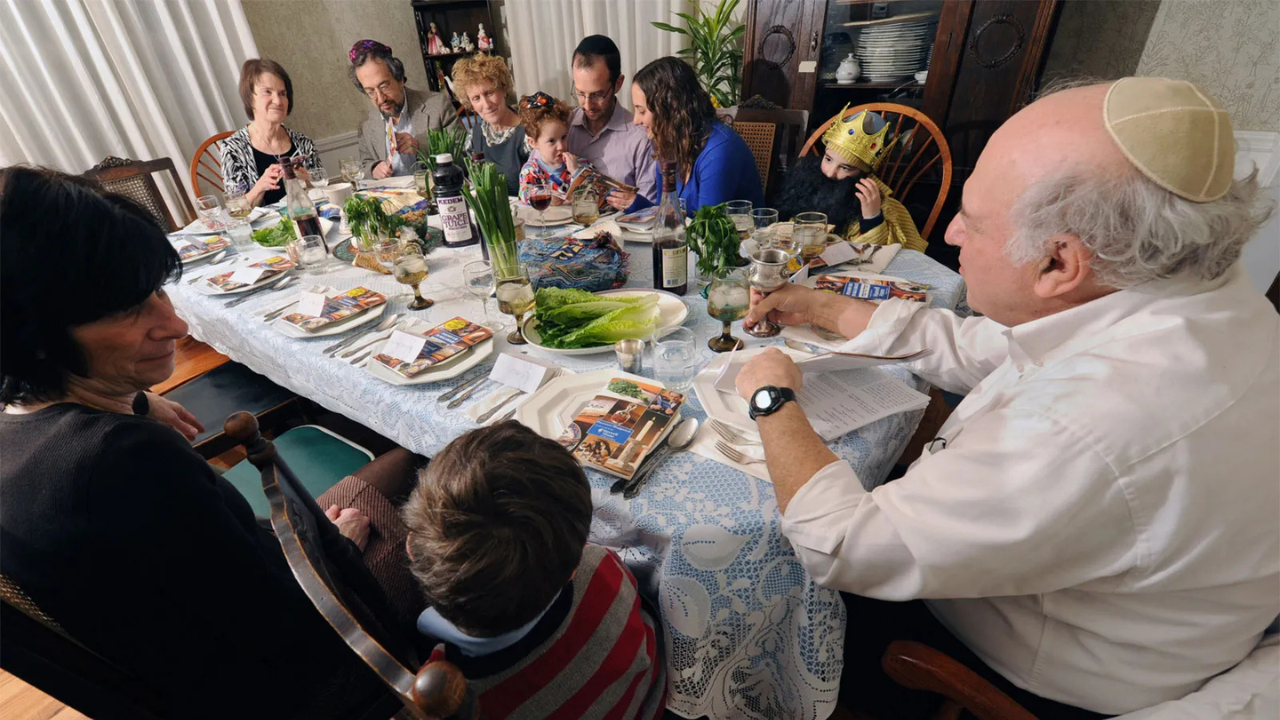
Passover 2026 First Seder
The first Passover of Passover 2026 is on the evening of April 1, after sundown. This is followed by another Seder, on April 2nd.
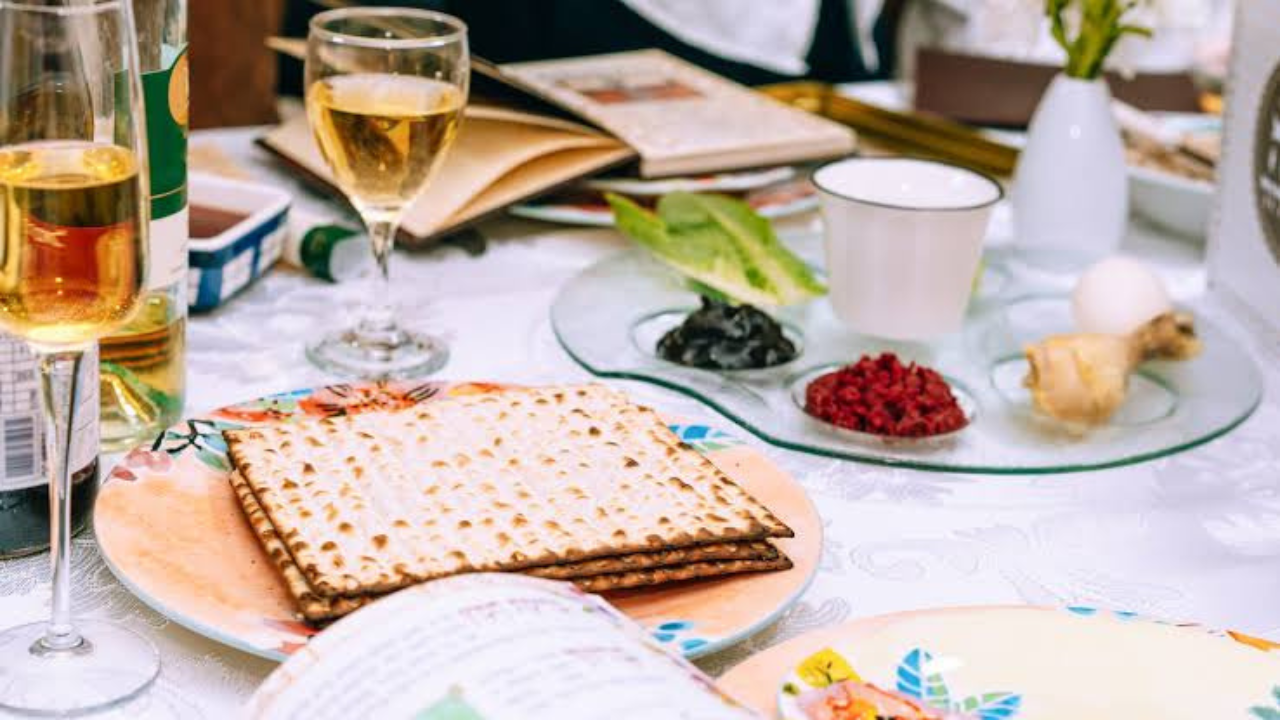
There are a few symbolic foods that are normally used on seder plates:
- Matzah – unleavened bread made from flour and water only
- Bitter herbs – usually horseradish, which symbolizes the bitterness of slavery
- Four cups of wine – consumed at different points during the Seder
- Charoset – a sweet mixture of fruit and nuts
- A roasted shank bone – symbolic of the ancient Passover sacrifice (no longer used for sacrifice), but still kept as a ritual item.
Is Passover the Same For All Jews?
Not exactly. The idea of Passover is not black or white. There are some families in the Jewish faith who adhere to the strict rules, taking all traces of leaven out of their homes and keeping to the strict diet rules for the entire eight days.
Others have a more cultural or symbolic view of Passover, holding a Seder without using all the traditions. Often this is due to religious affiliation, family traditions and community background, with Ashkenazi, Sephardi and Mizrahi Jewish communities holding different traditions and practices.
Passover Food Rules
During the Passover, the primary food rule is avoiding chametz, leavened grain products derived from wheat, barley, rye, oats or spelt. This is a general rule among pious Jews that celebrate Passover.
The differences lie in the foods that are considered kitniyot, such as rice, corn, and legumes. Kitniyot is not explicitly forbidden by religious law, but is avoided by Jewish communities of Ashkenazic descent during Passover as an additional safeguard against the possible confusion with grain. This extra limitation, however, has never been observed by the Sephardi and Mizrahi communities.
How to Say Happy Passover?
For those who want to give a happy holiday message here are some popular ones:
- Happy Passover!
- Chag Sameach! (Happy holiday!)
- Chag Pesach Sameach! (Happy Passover!)
- Zissen Pesach! (Have a sweet Passover!)
- Have a meaningful Passover!
Why Is Easter/Passover Not the Same in 2026?
Both holidays are based on lunar phases but on different calendars, so they don’t always coincide in the same way every year. In 2026 Easter Sunday is on April 5, just in the middle of Passover week.
Final Word
A Passover 2026 begins at sundown on Wednesday, April 1st and will end at nightfall on Thursday, April 9th, the eighth Jewish day commemorating the liberation of the Israelites from slavery in ancient Egypt. It can be a matter of strict religious tradition or a cultural celebration with family sitting around Seder meals and symbolic foods, and the retelling of the Exodus story. These traditions, handed down from year to year, ensure that the message of freedom and resilience lives on through the ages.
Read More: Spider-Man: Brand New Day Review: Cast, Plot & More

Team IFovd is the official editorial team behind IFovd.com, responsible for researching, publishing, maintaining, and updating all website content. Our dedicated writers and editors are committed to delivering accurate, informative, and high-quality articles across a wide range of topics. Thank you for visiting and trusting IFovd. For any questions, feedback, or support, feel free to contact our team.